
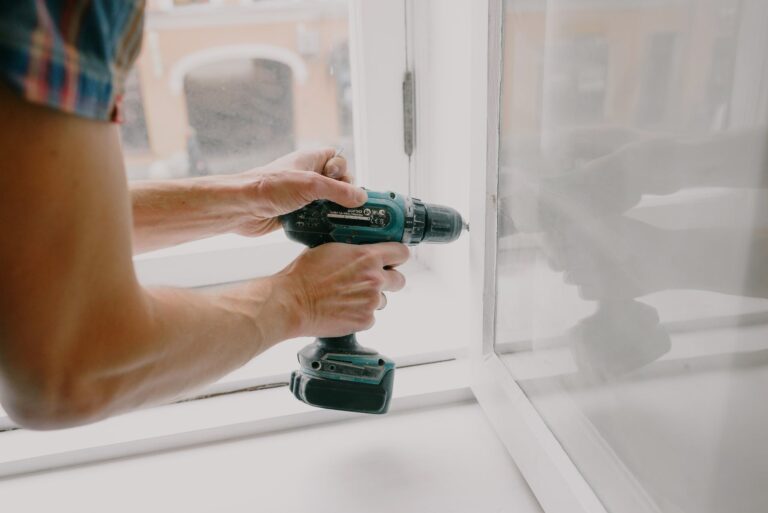
Your home is not just a place to hang your hat; it’s a financial asset that requires thoughtful care and attention. While the idea of constant updates might sound like a drain on your wallet, the truth is, keeping your home up-to-date can be a savvy financial move in the long run. In this blog post, we’ll explore how staying ahead of the curve can actually save you money.
1. Energy Efficiency Equals Cost Efficiency:
One of the most compelling reasons to keep your home up-to-date is the potential for increased energy efficiency. Swapping out outdated appliances, updating insulation, and investing in energy-efficient windows can significantly reduce your monthly utility bills. While the initial investment might seem substantial, the long-term savings make it a wise financial decision.
2. Preventive Maintenance Pays Off:
The age-old adage “an ounce of prevention is worth a pound of cure” holds true for home maintenance. Regular upkeep, from fixing leaks to replacing worn-out roofing materials, can prevent costly repairs down the line. Addressing issues as they arise, rather than letting them fester, not only saves money but also helps to maintain the overall value of your property.
3. Tax Incentives for Home Improvements:
Many governments offer tax incentives or credits for homeowners who invest in certain upgrades. These incentives are often aimed at promoting energy efficiency, making it even more financially appealing to keep your home up-to-date. Check with local authorities to see if you qualify for any tax benefits based on your home improvement projects.
4. Increased Home Value:
An up-to-date home is an attractive home. Should you ever decide to sell, the market value of a well-maintained and modernized property is likely to be higher than one in need of extensive updates. This increased home value can translate into a higher selling price, putting more money back in your pocket.
5. Longevity of Materials:
Investing in quality materials and appliances may require a larger upfront cost, but the longevity of these items often means less frequent replacements. Cheaper, outdated materials may need to be replaced more frequently, leading to a cycle of ongoing expenses. By choosing durable, modern options, you reduce the frequency of replacements and repairs.
6. Insurance Savings:
Some insurance providers offer discounts for homes with updated and modernized features, such as new plumbing, electrical systems, or security systems. Check with your insurance company to see if your home improvements make you eligible for any cost-saving benefits.
7. DIY and Budget-Friendly Updates:
Not all home updates need to break the bank. Simple, budget-friendly do-it-yourself projects, such as painting, updating fixtures, or adding smart home technology, can make a significant impact without draining your savings. The key is consistency – small, regular updates can add up to substantial savings over time.
Conclusion:
In the world of home ownership, the saying “you have to spend money to make money” holds true. By strategically investing in your home’s upkeep and staying ahead of maintenance needs, you not only enhance your living space but also save money in the long run. From energy efficiency and preventive maintenance to tax incentives and increased home value, the benefits of keeping your home up-to-date extend far beyond aesthetics. It’s a financial strategy that pays off in comfort, savings, and peace of mind.


